Our Technological Innovations
Humantics International is developing AI-based Knowledge Annotation Technology (KAT1) and Knowledge Augmentation Technology (KAT2) grounded in deliberative democratic knowledge creation, to power a more sustainable AI economy.
The KAT-Media Player Project
Powered by our proprietary Knowledge Annotation Technology (KAT), Humantics International is redefining how people interact with media, unlocking educational access for millions and reshaping the platform economy to empower teachers, mentors, and collaborators as active participants and co-owners.
The Intelligent Booking Engine BE
Grounded in a human-centered approach to AI, Humantics International advances the democratization of entrepreneurship through a participatory platform economy. Our Intelligent Booking Engine (I-BE) empowers medical ancillary service professionals with the tools to co-manage, co-learn, and co-own their operations.
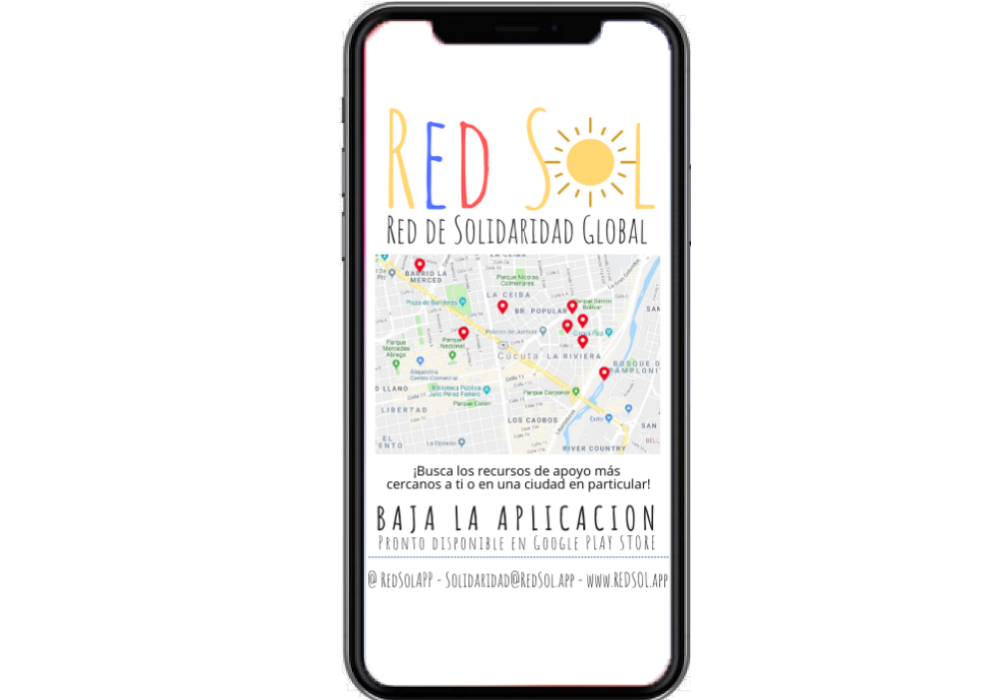
The Sol App Project
Through the responsible application of AI, Humantics International is redefining global charity. We use artificial intelligence to enhance transparency, information sharing, and resource allocation—enabling philanthropists, nonprofit organizations, and communities worldwide to collaborate in a more effective, efficient, and entrepreneurial model of altruism.
How We Work
The USEV 3D Process
Democratizing the Innovation process
We develop technologies through a democratic, inclusive and sustainable process; Our Direct Deliberative Democratic (3D) participatory process ensures that technology is shaped with, and for, the communities it serves. We innovate through empowerment: competing not by lowering costs, but by strengthening the capabilities of innovators and participants. Through community-corporation governance models, we enable shared ownership and democratic participation. Our mission is to cultivate a decentralized, ethical, and sustainable innovation ecosystem where communities become genuine co-creators of their own futures.
U
Users
In a 3D democracy model, users are not passive consumers but active co-designers of software. They participate directly by proposing features and flagging real-world needs, deliberatively by discussing trade-offs with experts and other users through AI-assisted forums.
S
Stakeholders
In a 3D democracy framework, stakeholders—founders, professionals, users, workers, and partners—participate as co-governors of software development. They engage directly by contributing goals and constraints, deliberatively by evaluating alternatives and trade-offs.
E
Experts
In a 3D democracy model, experts participate as stewards of rigor and meaning rather than gatekeepers of authority. They contribute directly by setting technical standards and identifying risks.
V
Visionaries
In a 3D democracy framework, visionaries participate as narrators of direction and possibility, not as unilateral decision-makers. They contribute directly by articulating long-term purpose and desired societal impact, deliberatively by testing their visions against evidence, expertise, and stakeholder feedback.
3D Democracy
The 3D (Direct Deliberative Democracy) System of decision making treats software creation as a participatory process that combines:
- Vision, from founders and users.
- Expertise, from professionals and domain specialists.
- Deliberation, through collective feedback and AI-supported decision synthesis.
Rather than a vertical chain of command, 3D Democracy builds a horizontal decision matrix where stakeholders participate in shaping design, ethical parameters, and product direction. This ensures that the software embodies transparency, and shared purpose — what we could call democratic code.
If you are interested in collaborating with our projects, contact us ….
Let’s
Collaborate